If you are a seafarer working on a tanker, you have probably heard the term SIRE 2.0 quite a lot in recent times. Your company may have already asked you to attend a SIRE 2.0 training programme before your next joining.
But what exactly is SIRE 2.0? How is it different from the old VIQ 7 inspection system? And what kind of training do officers and ratings actually need?
This guide answers all of these questions in simple language — whether you are a deck officer, a rating, or a shipping company superintendent planning crew training.
What is SIRE 2.0?
SIRE stands for Ship Inspection Report Programme. It is a vetting inspection system used by oil and chemical tanker operators worldwide. SIRE inspections are carried out by trained inspectors on behalf of oil majors and charterers to assess whether a vessel meets their safety and operational standards.
SIRE 2.0 is the updated version of this inspection system. It was developed by OCIMF (Oil Companies International Marine Forum) and has replaced the older VIQ 7 system. SIRE 2.0 is more thorough, more structured, and places a much stronger focus on human factors and the behaviour of the crew during an inspection.
In simple terms: SIRE 2.0 is not just about whether the paperwork is in order. It is about how your crew thinks, communicates, and responds under pressure.
How is SIRE 2.0 Different from VIQ 7?
Many seafarers who have been through VIQ 7 inspections are surprised by how different SIRE 2.0 feels. Here is a clear comparison.
| Feature | VIQ 7 | SIRE 2.0 |
|---|---|---|
| Inspection format | Paper based checklist | Digital, tablet based |
| Focus | Technical compliance | Technical plus human factors |
| Question types | Yes/No answers | Observation based responses |
| Human factor assessment | Minimal | Major component |
| Crew interaction | Limited | Active crew engagement |
| Pre-inspection requirement | Minimal | Operator must submit data in advance |
| Inspector tools | Paper forms | Digital inspector editor |
| Reporting | Standard report | Detailed observation based report |
The biggest change is the introduction of human factors as a formal part of the inspection. Under SIRE 2.0, inspectors actively observe how crew members communicate with each other, how they respond to questions, and whether they demonstrate proper situational awareness. This means that training is no longer just about knowing the rules — it is about being able to demonstrate safe behaviour and communication in practice.
What Changed in SIRE 2.0?
Apart from the human factor component, several other important changes came with SIRE 2.0.
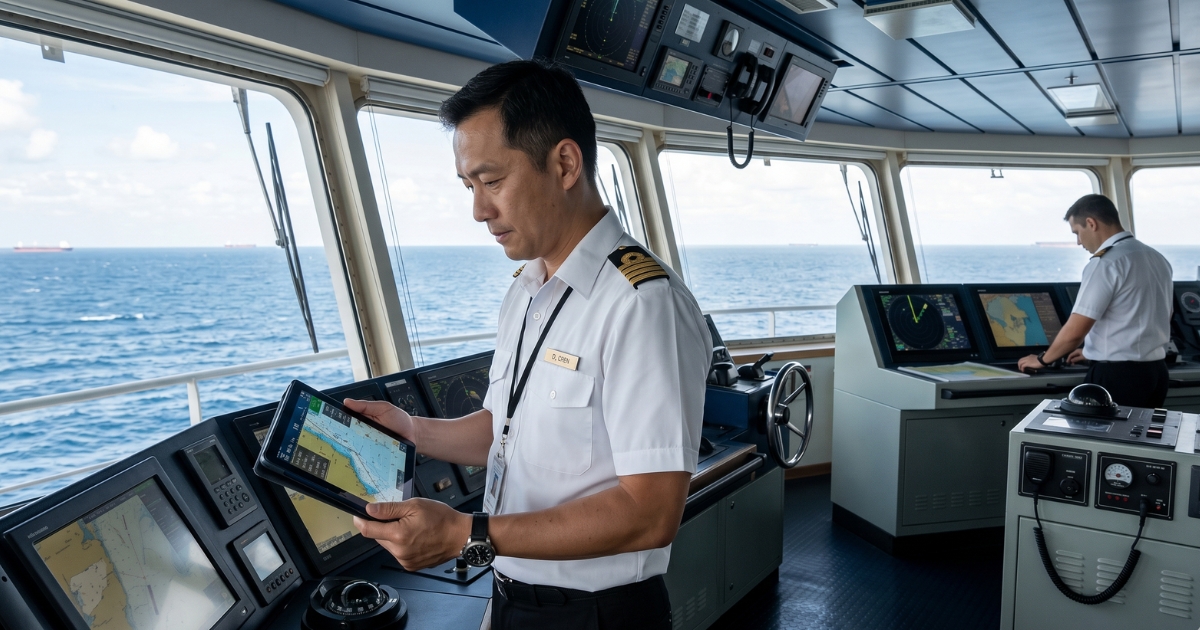
The inspection is now fully digital. Inspectors use a tablet based system during the inspection. This means responses are recorded in real time and observations are more detailed than before.
The Vessel Inspection Questionnaire has been redesigned. Questions are now structured differently with supporting guidance provided to both inspectors and crew. Each question has a specific context and the inspector expects crew to respond with knowledge and confidence.
There is now a pre-inspection phase. Before an inspector boards the vessel, the shipping company or operator is required to submit certain information through the OCIMF platform. This is called the pre-inspection element. Companies that are not prepared for this step often struggle during the inspection itself.
Subject of Concern and Nature of Concern are new terms introduced in SIRE 2.0. An inspector can raise a Subject of Concern if something observed during the inspection does not meet the expected standard. Understanding what triggers a concern and how to avoid it is now an essential part of crew preparation.
Who Needs SIRE 2.0 Training?
For Officers
All officers on tankers that undergo SIRE inspections need SIRE 2.0 training. This includes Masters, Chief Officers, Chief Engineers, and all watchkeeping officers. The reason is simple — during a SIRE 2.0 inspection, any officer can be questioned by the inspector at any time. If an officer does not understand the new question structure, the standard phrases used in SIRE 2.0, or how to respond to observations correctly, it can result in a poor inspection outcome for the vessel.
Officers also need to understand human factor management under SIRE 2.0 because inspectors specifically observe officer behaviour, communication style, and how they handle challenging situations on the bridge or in the engine room.
For Ratings
Ratings are now actively included in SIRE 2.0 inspections in a way they were not under VIQ 7. Inspectors may observe ratings during routine tasks and assess whether they are following proper procedures and demonstrating safe behaviour. Ratings need to understand what SIRE 2.0 is, what an inspector looks for, and how to conduct themselves properly during an inspection.
A rating who appears nervous, gives incorrect responses, or does not follow standard phrases can inadvertently create concerns during an inspection even if all the technical systems are in order.
For Shipping Companies and Superintendents
For shipping companies, SIRE 2.0 training is a business requirement. Vessels that do not perform well in SIRE 2.0 inspections can be rejected by charterers and oil majors, which directly impacts commercial operations. Companies need to ensure that their entire crew — both officers and ratings — is trained and confident before a SIRE 2.0 inspection takes place.
What Does SIRE 2.0 Training Cover?
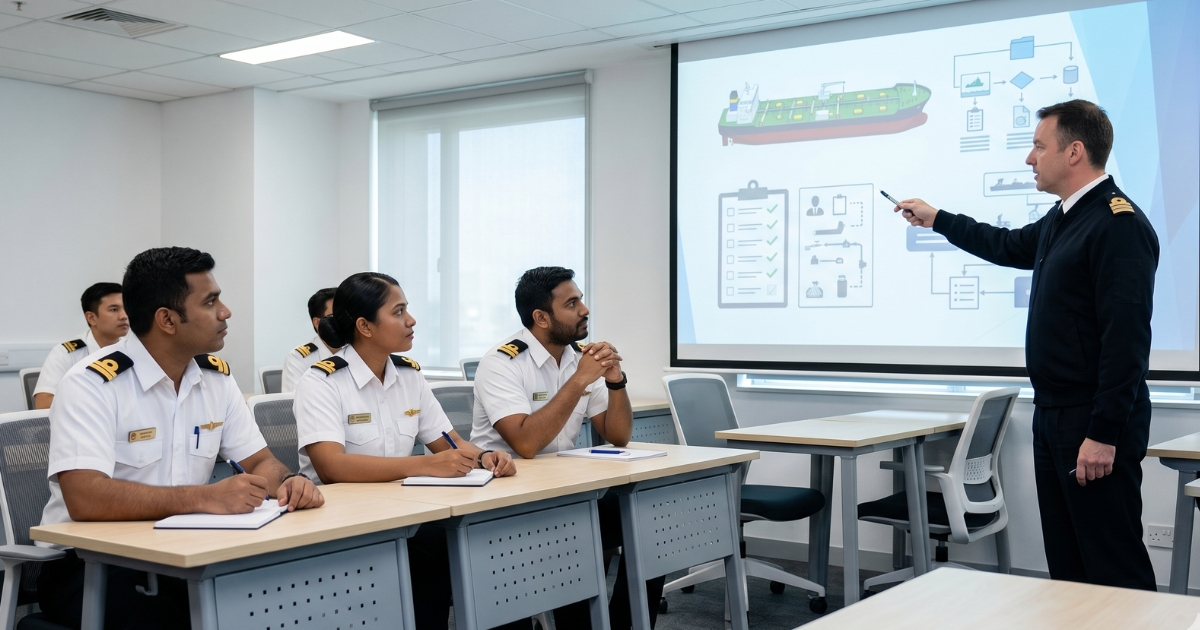
SIRE 2.0 Training for Officers
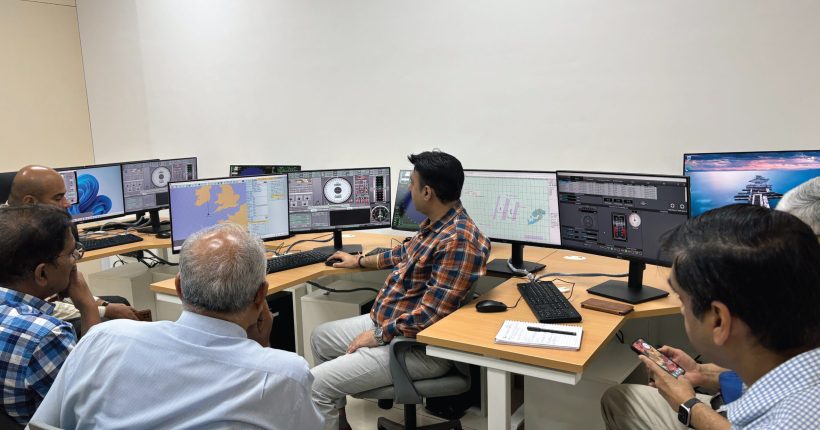
The SIRE 2.0 training programme for officers at IMOI covers all the essential areas that an officer needs to know before facing a SIRE 2.0 inspection.
Key topics include:
- What is SIRE 2.0 and how it differs from VIQ 7
- Terms and standard phrases used in SIRE 2.0
- The pre-inspection element and what operators must submit
- The Vessel Inspection Questionnaire — structure and supporting guidance
- Pre-boarding checks carried out by the inspector
- The physical inspection phase and what inspectors observe
- Inspector editor functionality and response tools
- Subject of Concern and Nature of Concern — what they mean and how to avoid them
- Human factors in SIRE 2.0
- Performance influencing factors
- Human factor management and self assessment
- Soft skills for effective communication during inspections
- Case studies from real SIRE 2.0 inspections
This is a 2-day classroom programme conducted by Capt. Srirang Manjeshwar, a highly experienced marine professional with expertise in maritime training and internal auditing since 1995. Capt. Manjeshwar has served as Master on oil tankers including Suezmax, Aframax and ULCC vessels and has been the workshop leader for Bridge Resource Management programmes.
SIRE 2.0 Training for Ratings
The SIRE 2.0 training for ratings covers the same core concepts but is tailored specifically for the support level crew who may not have a deep understanding of inspection systems.
Key topics include:
- What is SIRE 2.0 and why it matters for ratings
- Understanding the difference between VIQ 7 and SIRE 2.0
- Terms used in SIRE 2.0
- Human factors relevant to ratings
- How to behave and respond during an inspection
- Practical case studies
This programme helps ratings feel confident and prepared rather than anxious or confused when an inspector comes aboard.
SIRE 2.0 Self-Paced E-Learning
For seafarers who cannot attend a classroom batch, IMOI also offers a self-paced e-learning version of the SIRE 2.0 programme. This allows officers and ratings to complete the training at their own pace using the HELMS Learning Portal from anywhere in the world.
Why is Human Factor So Important in SIRE 2.0?
Human factor is the single biggest new element in SIRE 2.0 and it is worth understanding clearly.
In simple terms, human factor refers to everything that affects how a person performs their job. This includes fatigue, stress, communication, leadership, situational awareness, and how individuals respond to pressure.
OCIMF introduced human factor assessment in SIRE 2.0 because data showed that the majority of maritime incidents were caused not by equipment failure but by human error — poor communication, lack of situational awareness, or failure to follow procedures.
Under SIRE 2.0, inspectors are trained to observe human factor indicators during the inspection. They look at how crew members communicate with each other, whether they ask questions and challenge authority appropriately, and whether they demonstrate proper awareness of what is happening around them.
This means that a vessel can have perfect technical systems and still receive concerns if the crew does not demonstrate good human factor practices. This is why SIRE 2.0 training with a strong human factor component is essential for all crew members.
What Happens During a SIRE 2.0 Inspection?
Understanding what actually happens during a SIRE 2.0 inspection helps crew members prepare more effectively.
Before the inspector arrives, the shipping company must complete the pre-inspection element. This involves submitting certain vessel and operational data through the OCIMF platform. Incomplete or inaccurate pre-inspection submissions can create problems before the inspector even boards the vessel.
When the inspector arrives, they carry out pre-boarding checks. These are initial observations made before formal inspection activities begin. The inspector is already observing crew behaviour and vessel condition from this point.
During the physical inspection phase, the inspector uses a digital tablet to record observations. Unlike the old paper checklist, the SIRE 2.0 inspector records detailed observations rather than just yes or no answers. The inspector may ask crew members questions at any point and will observe how they respond.
If something does not meet the expected standard, the inspector raises a Subject of Concern. The Nature of Concern describes what specifically was observed. These concerns are recorded in the inspection report and reviewed by charterers and oil majors when making vessel acceptance decisions.
How to Prepare Your Crew for SIRE 2.0?
For shipping companies planning SIRE 2.0 crew preparation, here is a practical approach.
Start with officers first. Ensure that all watchkeeping officers and senior officers complete the SIRE 2.0 training programme well before the expected inspection date. Officers who have been trained are better placed to also guide ratings informally on what to expect.
Then train the ratings. Ratings who understand what SIRE 2.0 is and how to conduct themselves during an inspection are a significant asset. A confident and well prepared rating creates a positive impression during inspections.
Use self-paced e-learning for officers already at sea. For crew members who are currently onboard and cannot attend classroom training, the IMOI self-paced SIRE 2.0 e-learning programme allows them to complete training remotely and be prepared before the next inspection.
Document the training. For TMSA-3 compliance and internal audit purposes, companies need to maintain records of which crew members have completed SIRE 2.0 training. IMOI provides detailed company reports including assessment scores and faculty feedback that can be used directly for this documentation.
SIRE 2.0 Training at IMOI Mumbai
IMOI Mumbai offers three options for SIRE 2.0 training to cover all crew categories and schedules.
The SIRE 2.0 training for Officers is a 2-day classroom programme covering all aspects of SIRE 2.0 including human factors, inspection procedures, and practical case studies. Conducted by Capt. Srirang Manjeshwar with over 25 years of maritime training experience.
The SIRE 2.0 training for Ratings is a focused programme designed specifically for support level crew. It prepares ratings to handle inspector interactions confidently and correctly.
The SIRE 2.0 self-paced e-learning programme is available through the HELMS Learning Portal for seafarers who need to complete training remotely at their own pace.
All three programmes are delivered by experienced maritime professionals and include access to course materials through the HELMS portal. Companies receive detailed participant reports including assessment scores and faculty feedback — ideal for TMSA-3 documentation and internal audit records.
You can check the upcoming training schedule for available batch dates.
Frequently Asked Questions
Is SIRE 2.0 training mandatory for seafarers?
SIRE 2.0 training is not a statutory mandatory requirement under STCW. However, it is strongly recommended and in many cases required by shipping companies as part of their SMS and TMSA-3 compliance. Vessels that are regularly chartered by oil majors need crew who are trained and prepared for SIRE 2.0 inspections.
Who conducts SIRE 2.0 inspections?
SIRE 2.0 inspections are conducted by OCIMF accredited inspectors on behalf of oil majors and charterers. Inspectors are trained professionals who use the digital SIRE 2.0 platform to record observations during the inspection.
How is SIRE 2.0 different from Port State Control?
Port State Control (PSC) is a statutory inspection carried out by government authorities to verify compliance with international maritime conventions. SIRE 2.0 is a commercial vetting inspection carried out by oil majors and charterers to assess whether a vessel meets their specific operational standards. Both are important but they serve different purposes.
Can ratings do SIRE 2.0 training online?
Yes. IMOI offers a self-paced e-learning programme for SIRE 2.0 that can be completed online through the HELMS Learning Portal. This is suitable for both officers and ratings who cannot attend classroom training.
How long does SIRE 2.0 training take?
The classroom SIRE 2.0 training for officers and ratings is a 2-day programme. The self-paced e-learning version can be completed at the participant’s own pace and is accessible anytime through the HELMS portal.
What documents does a company receive after SIRE 2.0 training at IMOI?
After completing training at IMOI, the sponsoring company receives a comprehensive report including individual assessment scores, attendance records, and faculty feedback for each participant. This documentation is useful for TMSA-3 compliance records and internal audits.
Is Your Crew Ready for SIRE 2.0?
SIRE 2.0 has changed how tanker inspections work. The focus on human factors means that technical knowledge alone is no longer enough. Officers and ratings both need to understand the new inspection system, know how to communicate confidently with inspectors, and demonstrate safe behaviour during the entire inspection process.
Whether you are an officer preparing individually or a shipping company planning crew training before your next inspection, IMOI Mumbai offers structured SIRE 2.0 training programmes for officers, ratings, and online learners.
For more information or to book training for your crew, contact IMOI at +91 22 42951727 or email operations@isfgroup.in. You can also check the upcoming training schedule for available dates.