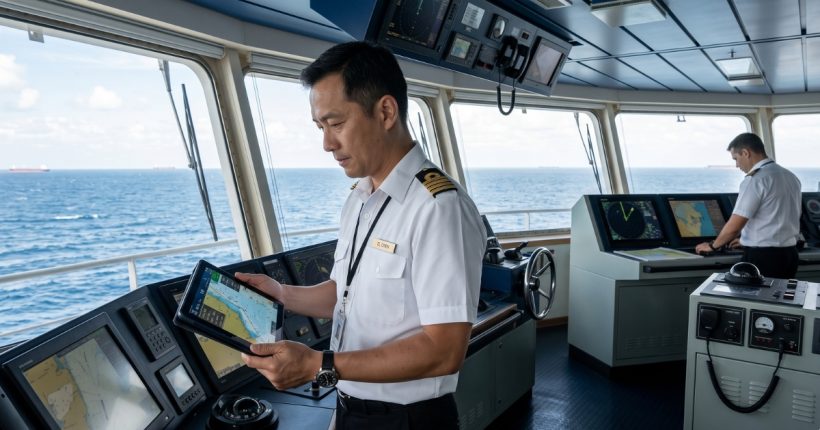
If you are a deck officer preparing for your next career step or your company has asked you to complete a bridge training course, you have probably come across three terms: BTM, BRM and BTRM.
They sound similar. They cover related topics. But they are not the same course.
Many seafarers and even some HR managers in shipping companies get confused between BTRM vs BTM vs BRM. This guide breaks it down in simple language so you can decide exactly which course you need and why.
What is BTM (Bridge Team Management)?
BTM stands for Bridge Team Management.
BTM focuses on how the bridge team works together as a unit. It covers the management of all resources available on the bridge — not just people but also equipment, technology, and information.
The main goal of BTM is to ensure all available bridge resources are used effectively for safe navigation.
Key topics covered in a BTM course include:
- Using all bridge equipment effectively including ECDIS, Radar, and AIS
- Managing information flow on the bridge
- Decision making using available resources
- Communication with VTS, pilot, and port authorities
- Cultural differences and how they affect bridge communication
BTM is based on STCW regulations and IMO Model Course 1.22 guidelines. It is a shorter course, usually 3 to 5 days depending on the institute.
What is BRM (Bridge Resource Management)?
BRM stands for Bridge Resource Management.
BRM focuses specifically on how the bridge team works together as a unit. It covers communication, leadership, decision making, and how to manage people on the bridge effectively.
The main goal of BRM is to improve teamwork and reduce human error during a navigational watch.
Key topics covered in a BRM course include:
- Effective communication between bridge team members
- Leadership and authority on the bridge
- Situational awareness and error trapping
- Managing fatigue and workload during watchkeeping
- Emergency procedures and how the team responds under pressure
BRM is widely recognised internationally and is offered by many global maritime institutes. It is also based on IMO Model Course 1.22 and STCW requirements.
What is BTRM (Bridge Team Resource Management)?
BTRM stands for Bridge Team Resource Management.
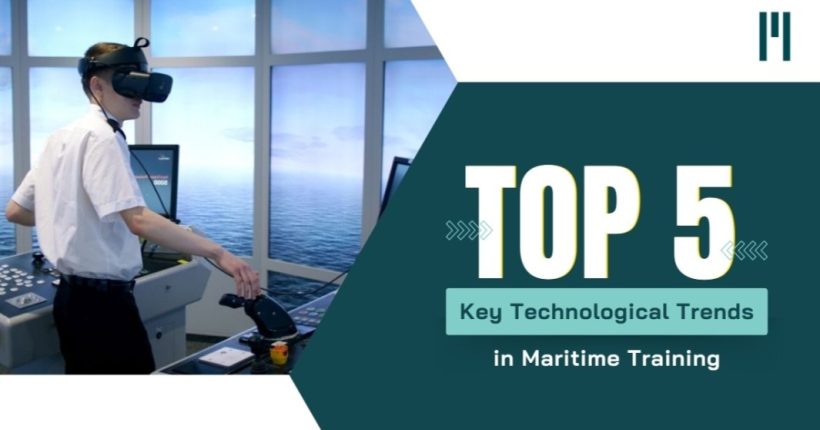
BTRM is the most comprehensive of the three courses. It combines everything from BTM and BRM and adds practical ship handling and simulator training on top.
Think of it this way: BTRM is BTM plus BRM plus hands-on simulator exercises.
Key topics covered in a BTRM course include:
- All BTM topics (team management, communication, leadership)
- All BRM topics (resource management, equipment use)
- Ship handling principles using simulator exercises
- Passage planning as per IMO guidelines
- Shallow water effects, squat, bank effect, vessel interaction
- Emergency manoeuvres including crash astern
- Human element training: personnel, equipment and procedures
- Building a shared mental model on the bridge
The BTRM course at IMOI Mumbai is 5 days long and complies fully with IMO Model Course 1.22. It uses ARI Cloud Simulators which means officers can attend online from anywhere in India or attend the classroom batch in Andheri West, Mumbai.
BTRM vs BTM vs BRM: Side by Side Comparison
Here is a simple comparison to understand the difference at a glance.
| Feature | BTM | BRM | BTRM |
|---|---|---|---|
| Team management | Partial | Yes | Yes |
| Resource management | Yes | No | Yes |
| Ship handling | No | No | Yes |
| Simulator training | Sometimes | Sometimes | Yes (mandatory) |
| Passage planning | No | No | Yes |
| Human element training | Partial | Partial | Yes |
| IMO Model Course 1.22 | Yes | Yes | Yes |
| TMSA-3 compliance | Partial | Partial | Full |
| SIRE 2.0 compliance | Partial | Partial | Full |
| RightShip RISQ compliance | Partial | Partial | Full |
| Duration | 3 to 5 days | 3 to 5 days | 5 days |
As you can see, BTRM covers everything that BTM and BRM cover and goes further with simulator based ship handling and human element training.
Which Course Do You Actually Need?
The answer depends on your rank, your company requirements, and the purpose of the training.
If you are a Junior Officer or Third Officer
BTRM is the best choice. You get complete bridge team training along with simulator exercises that build real confidence in taking a navigational watch. The ship handling sessions prepare you for real onboard scenarios that you will face during your watch.
If you are a Chief Officer or Master
BTRM is still the recommended course. The passage planning, human element focus, and emergency manoeuvre training are directly relevant to your responsibilities. Many Masters use BTRM as a refresher to stay updated with current bridge procedures, SIRE 2.0 and RightShip RISQ requirements.
If your company requires TMSA-3, SIRE 2.0 or RightShip RISQ compliance
You need BTRM specifically. BTM and BRM alone may not satisfy the full documentation requirements for TMSA-3 Element 3a and 5a, SIRE 2.0 Chapter 3.3.1, or RightShip RISQ requirements (2b). BTRM covers all these compliance requirements under one course, which makes it easier for your company to document and report during vetting inspections.
Why Do Shipping Companies Prefer BTRM Over BTM or BRM?
Shipping companies, especially tanker operators, prefer BTRM for three main reasons.
First, it covers more ground in one course. Instead of sending officers for separate BTM and BRM training, BTRM ticks both boxes along with simulator training in a single 5-day programme. This saves time and cost.
Second, the simulator based training gives evidence of practical competence. During SIRE 2.0 and RightShip RISQ inspections, inspectors look for proof that officers have been trained in real bridge scenarios and not just theory. Simulator certificates from a BTRM course provide exactly this evidence.
Third, companies get detailed performance reports. At IMOI for example, ISF Group provides sponsoring companies with full participant assessments, faculty feedback and individual performance reports. This documentation is extremely useful during TMSA-3, SIRE 2.0 and RightShip RISQ audits and vetting inspections.
Common Mistakes Seafarers Make When Choosing BTRM vs BTM vs BRM
One of the most common mistakes is assuming that doing a BTM course is enough for SIRE 2.0 or RightShip RISQ compliance. Many officers complete BTM and then find out during a vetting inspection that their company actually needed BTRM documentation.
Another mistake is choosing a course based only on duration or cost without checking whether it satisfies the company SMS requirements. A shorter BTM course may seem convenient but if your company requires TMSA-3, SIRE 2.0 or RightShip RISQ compliance, only BTRM will meet the full documentation standard.
The third mistake is not checking whether the training institute provides company reports after the course. For shipping companies undergoing TMSA audits and vetting inspections, individual assessment reports and faculty feedback are essential documents. Not all institutes provide these so always confirm before enrolling.
What Should You Ask Before Enrolling?
Before booking any bridge management course, ask your company these three questions:
- Does our SMS require BTM, BRM or BTRM specifically?
- Do we need documentation for TMSA-3, SIRE 2.0 or RightShip RISQ compliance?
- Will the institute provide individual performance reports for our records?
The answers will immediately tell you which course you need. In most cases for tanker and bulk carrier operators, the answer will point directly to BTRM.
How to Verify a BTRM Course is Genuine?
Not all institutes that offer BTRM are equal. Here is what to check before enrolling:
The course should comply with IMO Model Course 1.22. This is the international standard for bridge team and resource management training. If an institute cannot confirm this, look elsewhere.
Simulator training should be mandatory and not optional. BTRM without simulator exercises is incomplete. The simulator session is what makes BTRM different from a basic BTM or BRM course.
The institute should provide a certificate that mentions IMO Model Course 1.22 compliance. This is what your company and vetting inspectors will check during SIRE 2.0 and RightShip RISQ inspections.
Company reports should be available on request. For TMSA-3, SIRE 2.0 and RightShip RISQ purposes, your company needs more than just a certificate. Individual assessment reports, attendance records and faculty feedback are all part of proper documentation.
BTRM Course at IMOI Mumbai
If you are looking for a BTRM course in India, the BTRM Course at IMOI Mumbai is one of the very few options that offers both online and classroom training using ARI Cloud Simulators.
Here is what makes it different from other institutes:
- ARI Cloud Simulator access means online candidates can do real simulator exercises from their laptop anywhere in India
- Expert instruction from Capt. Devendra Kishore who has over 40 years of sailing and teaching experience
- Fully compliant with IMO Model Course 1.22 and recognised for TMSA-3, SIRE 2.0 and RightShip RISQ
- Detailed company reports provided after each batch for TMSA, SIRE 2.0 and RightShip RISQ vetting documentation
- Post-course access to all training materials through the HELMS Learning Portal
You can check the upcoming BTRM batch schedule to find a date that suits you.
Frequently Asked Questions
1. Is BTRM better than BTM?
BTRM is more comprehensive than BTM. It includes all BTM content plus resource management and simulator based ship handling training. For most deck officers and for company compliance requirements including TMSA-3, SIRE 2.0 and RightShip RISQ, BTRM is the better choice.
2. Is BRM and BTRM the same course?
No. BRM focuses on bridge team dynamics, communication and leadership. BTRM includes BRM content but also covers resource management, ship handling, passage planning, and simulator exercises. Bridge Team Resource Management (BTRM) is the complete package.
3. Is BTRM mandatory for seafarers in India?
BTRM is a value-added course and is not a DG Shipping approved mandatory course. However, it is required by many shipping companies as part of their SMS, TMSA-3, SIRE 2.0 and RightShip RISQ documentation requirements.
4. Can I do BTRM online?
Yes. IMOI Mumbai offers the BTRM course online using ARI Cloud Simulators. You can complete the full 5-day training remotely from anywhere in India using your own laptop.
5. How long is the BTRM certificate valid?
The BTRM certificate does not have a fixed expiry. However, most companies require a refresher every 5 years or as per their SMS requirements. It is always advisable to check with your company or flag state for specific validity requirements.
Which Course Should You Choose?
Choosing between BTRM vs BTM vs BRM does not have to be complicated. BTM covers bridge resource management, BRM focuses on team dynamics and communication, and BTRM brings both together with practical simulator based ship handling training. For most deck officers and shipping companies requiring TMSA-3, SIRE 2.0 or RightShip RISQ compliance, BTRM is the most complete and practical choice.
If you are ready to enrol or want to know more about the next available batch, visit the BTRM Course at IMOI Mumbai or check the upcoming BTRM batch schedule.